
Buying a first “real” camera is exciting and confusing. Spec sheets are full of numbers, and every review seems to recommend something different. The good news: almost every current camera from a major brand takes excellent photos. The right choice is mostly about what you shoot, how much you want to carry, and your budget.
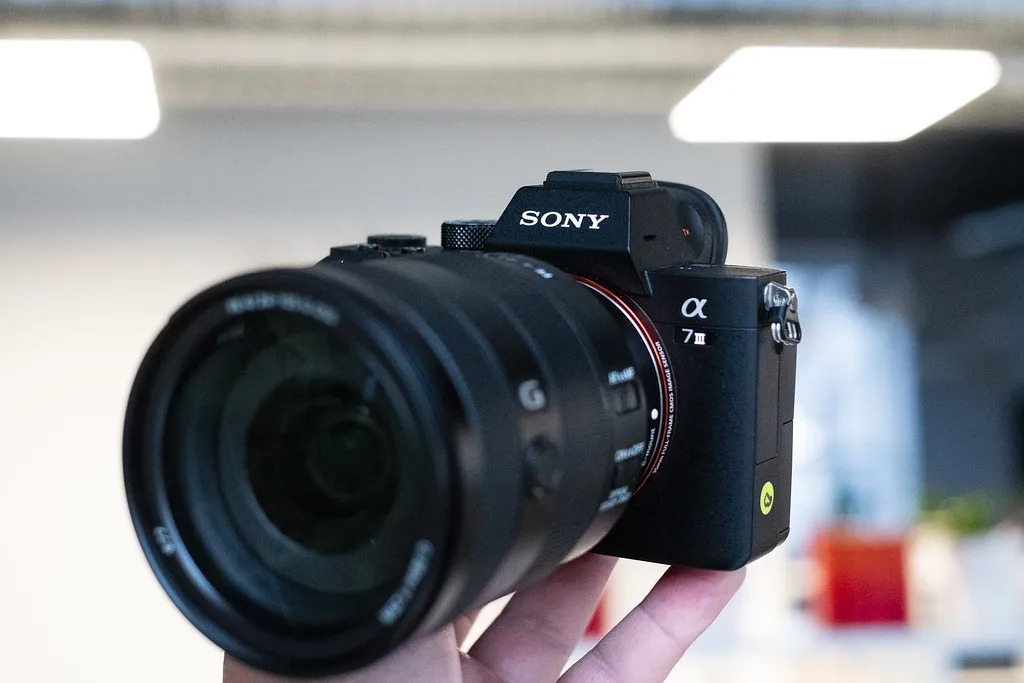
Start with what you photograph
Write down the three things you photograph most. Typical answers:
- Kids and pets: you need fast, reliable autofocus that tracks moving subjects.
- Travel: size, weight, and a versatile zoom matter most.
- Video and vlogging: a flip-out screen, good stabilization, and a microphone input.
- Street and everyday: small and quiet, so you actually carry it.
- Landscapes: resolution, a tripod, and a wide lens.
Mirrorless, compact, or something else?
Interchangeable-lens mirrorless cameras are the mainstream choice. They have large sensors and swappable lenses, so they grow with you. DSLRs still work, but most new development is in mirrorless.
Premium compacts have a fixed lens and fit in a pocket. Some have large APS-C sensors; others have a 1-inch sensor and a zoom. They are simpler, and the best camera is the one you bring.
Gimbal and action cameras suit people who mostly shoot video while moving.
Instant cameras are for fun and prints, not image quality.
Sensor size beats megapixels
A larger sensor collects more light, which helps in dim rooms and gives softer background blur. Most beginner mirrorless cameras use APS-C sensors, much larger than a phone’s main sensor. Around 20 to 26 megapixels is plenty for prints and cropping. See sensor sizes explained.
Think about lenses early
The lens shapes your photos as much as the body. Kit zooms are versatile but not very bright. A fast prime lens, such as a 50mm-equivalent f/1.8, is the most popular first upgrade. Before choosing a brand, check that the lenses you want exist at prices you can afford. See first lenses to buy.
Handling matters
Try cameras in a store if you can. Check the grip, the button layout, and the menus. A viewfinder helps in bright sun; a flip screen helps for selfies, video, and low angles.
Video features to check
If video matters, look for 4K recording, a microphone input, a fully articulating screen, and stabilization (in-body or electronic). Check whether 4K is cropped, which narrows your view.
Budget for the extras
Plan for: - A fast, reliable memory card - A spare battery - A bag - A cleaning kit - A backup drive or cloud storage
What you can skip
- Extremely high megapixel counts
- Pro bodies “to grow into”
- Bundles stuffed with low-quality filters and tripods
Used and refurbished
Manufacturer-refurbished cameras often carry a warranty and can save a lot. Buy used from reputable sellers with return policies.
Our shortlist
See our best cameras for beginners for specific models. Then learn the basics with exposure triangle basics.
A simple decision path
If you are stuck, try this path. Do you mostly shoot video of yourself? Look at vlogging-focused mirrorless cameras or a gimbal camera. Do you want the smallest possible camera you will carry everywhere? Look at premium compacts. Do you want to learn photography and grow with lenses? Choose an entry-level mirrorless kit from a brand whose lenses you like. Do you want fun prints at parties? An instant camera is perfect.
Comparing camera types at a glance
| Entry mirrorless kit | Premium compact | Gimbal camera | Instant camera | |
|---|---|---|---|---|
| Sensor | Usually APS-C | 1-inch or APS-C | Often 1-inch | Film |
| Lenses | Interchangeable | Fixed | Fixed | Fixed |
| Size | Medium | Pocketable | Pocketable | Medium |
| Best for | Learning, kids, travel, portraits | Everyday carry, street, travel | Smooth handheld video | Parties and prints |
| Learning curve | Moderate | Low to moderate | Low | Very low |
Questions to ask in the store
- How does the grip feel after holding it for a minute?
- Can I reach the main controls with my thumb and index finger?
- Is the viewfinder clear and comfortable with my glasses?
- How quickly does it turn on and focus?
- How easy is it to change the most common settings, such as exposure compensation and ISO?
Mistakes to avoid
- Buying for a hypothetical future. Buy for the photos you take now. You can always upgrade lenses later.
- Ignoring the lens system. Check what lenses exist and what they cost before choosing a body.
- Leaving it in full auto forever. Learning aperture priority mode unlocks most of what a camera can do. See exposure triangle basics.
FAQ
Should I buy a full-frame camera as my first camera?
Usually not. APS-C cameras are smaller and less expensive, and their lenses cost less. Full frame makes more sense once you know you need its low-light and shallow-focus advantages.
Is a used camera a good idea?
Often, yes. Check the shutter count where possible, inspect the sensor and lens mount, and buy from sellers who offer returns.